Art Authentication: a game of monopoly?

del

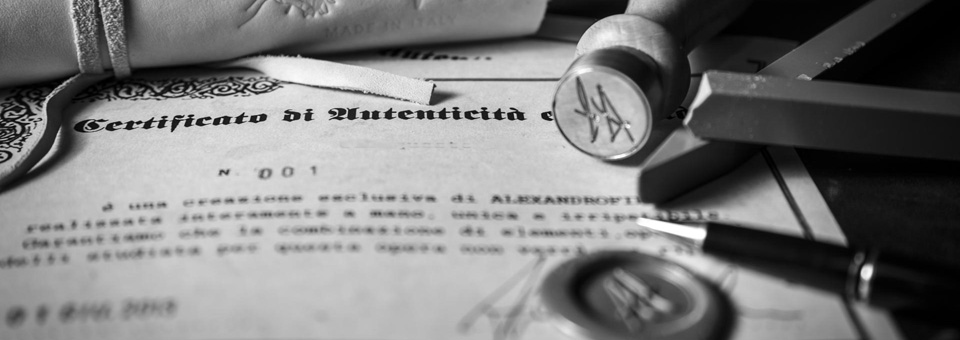
To authenticate a work of art is to establish the existence of a certain link between the artwork and the artist. The need for this certificate originated with the beginning of the “authenticity culture” in the 19th century when, as Leo Tolstoy said in his work “What is Art?”, the artistic value is achieved only when an artwork expresses the authentic value of its maker.

Authentication must be distinguished from provenance analysis, which consists of re-constructing the entire chain of ownership from the original artist to the present owner. In the art world providing info as to the provenance is considered to be “persuasive evidence of authenticity”, so provenance supports the authenticity of a work, enhancing its value, despite the distinction between authenticity and provenance is often blurred by the Courts. Another distinction concerns the concept of appraisal, which is only an informed opinion of the value of an artwork, which does not confirm provenance or authenticity. On the contrary, authenticity is the factor that mostly determines the value of an artwork.

Sommario:
1. Art Authentication – 1.1. Case law

 

Collezione da Tiffany è gratuito, senza contenuti a pagamento, senza nessuna pubblicità e sarà sempre così.

Se apprezzi il nostro lavoro e vuoi approfondire ancora di più il mercato dell'arte,
puoi sostenerci abbonandoti a

News Mercato Arte

Anticipazioni, trend, opportunità e segnali nascosti del mercato dell’arte

Ogni settimana, notizie, aste e analisi scelte per chi colleziona e investe con strategia.


Scopri di più!

Condividi
Tags

recenti

Fondantico a TEFAF 2026: da Lorenzo Costa ad Annigoni, cinque secoli d’arte

Fondantico di Tiziana Sassoli a TEFAF Maastricht 2026: un percorso d'eccellenza tra Guercino, Artemisia Gentileschi e i maestri del '900.

Vienna, Dorotheum: il 19 marzo tre aste raccontano un secolo di arte europea

Scopri le aste Dorotheum del 19 marzo a Vienna: un viaggio tra Schiele, Klimt e il grande mercato dell'arte contemporanea italiana.

Lo Stato acquista il Caravaggio di Maffeo Barberini: un’operazione record da 30 milioni

Lo Stato acquista il Caravaggio di Maffeo Barberini per 30 milioni: un’operazione record che segna il mercato dell’arte antica.

Articoli correlati